For the last few years, protein has been everywhere. Protein bars, protein shakes, protein coffee, protein snacks and even protein soda have become part of the everyday nutrition conversation.
Now another nutrient is getting a lot more attention: fiber.
Fiber isn't a new discovery, of course. It's been an important part of a healthy diet for a very long time. What's changing is how much attention people are paying to it. As conversations around gut health, digestion, blood sugar, heart health and overall nutrition continue to grow, fiber is becoming one of the nutrients people don't want to overlook.
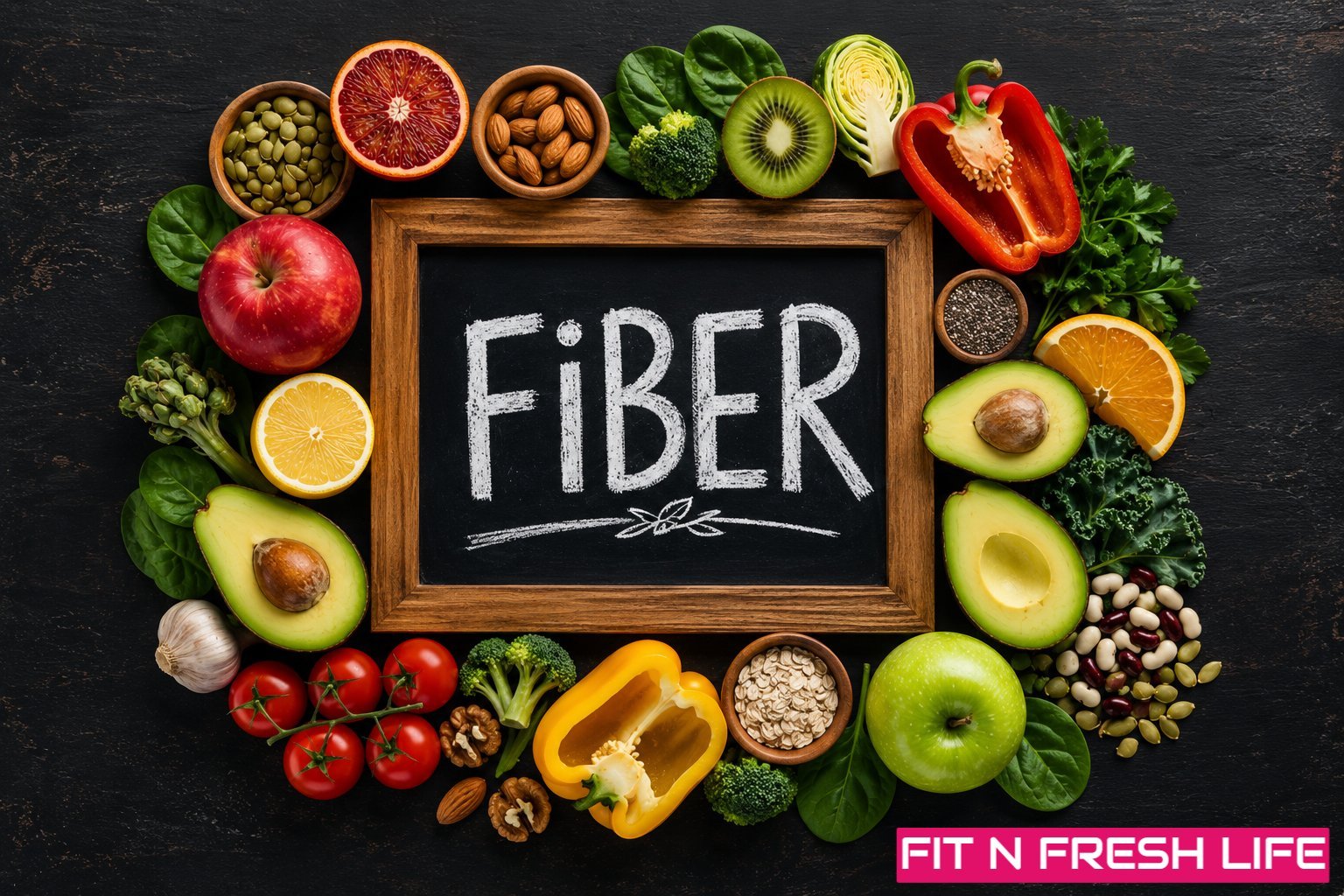
And unlike some nutrition trends that require expensive powders or specialized products, getting more fiber can be surprisingly simple. Beans, lentils, vegetables, fruits, oats, whole grains, nuts and seeds can all contribute.
So why is fiber suddenly having its moment, and how much do you actually need?
What Exactly Is Fiber?
Dietary fiber is a type of carbohydrate found naturally in plant foods that your body doesn't completely digest.
That might sound like a strange thing to eat, but that's part of what makes fiber useful. Different types of fiber interact with the digestive system in different ways.
Some fiber helps add bulk to stool and supports regular bowel movements. Other types can be fermented by bacteria in the gut. Fiber can also help you feel fuller after eating, which is one reason fiber-rich foods can be useful when you're trying to build satisfying meals.
Instead of thinking about fiber as one single ingredient, it's better to think of it as a group of different plant components that can play several roles in your diet.
Why Is Everyone Talking About Fiber Now?
Part of the reason is that people are becoming more interested in the connection between food and gut health.
There has also been a shift away from looking at individual nutrients in isolation. Protein is important, but eating enough protein doesn't automatically mean the rest of your diet is balanced. Your body also needs carbohydrates, healthy fats, vitamins, minerals and fiber.
Fiber is especially interesting because it comes packaged naturally in many foods that provide other nutrients at the same time.
An apple, for example, doesn't just give you fiber. It also provides water and various vitamins and plant compounds. Lentils provide fiber along with protein and minerals. Oats provide fiber as well as other nutrients.
That's one reason whole foods are often a better place to start than trying to get everything from supplements.
Fiber and Your Digestive System
When most people hear the word fiber, digestion is probably the first thing that comes to mind.
And for good reason.
Fiber can help support normal bowel movements, particularly when you're getting enough fluids as well. Foods such as beans, lentils, vegetables, fruits and whole grains can make it easier to build a fiber-rich diet.
But there's an important point here: more fiber isn't automatically better if you increase it too quickly.
If your current diet is relatively low in fiber and you suddenly start eating huge amounts of beans, bran, vegetables and seeds, your digestive system may not be very happy about it. Gas, bloating and discomfort can happen.
A gradual increase is usually a much more comfortable approach.
Your Gut Bacteria Also Care About Fiber
Your digestive system contains trillions of microorganisms, and what you eat can influence the environment in which those microorganisms live.
Some types of dietary fiber can be used by gut bacteria. During fermentation, certain fibers can produce compounds called short-chain fatty acids, which are being studied for their roles in gut and overall health.
This is one reason nutrition conversations have increasingly moved beyond simply asking, “Does this food have calories?” People are becoming more interested in how different foods interact with the digestive system.
You don't need to understand every detail about the gut microbiome to benefit from this idea. A simple starting point is to eat a wider variety of plant foods throughout the week.
Fiber Can Help You Feel Full
Have you ever eaten a meal and felt hungry again shortly afterward?
Meals built mostly around highly refined foods can sometimes leave you wanting more relatively quickly. Adding fiber-rich foods can make meals more satisfying.
Fiber can slow digestion and add bulk to meals, while many high-fiber foods also contain plenty of water. This combination can contribute to feelings of fullness.
For example, compare a breakfast of a sweet pastry with a bowl of oatmeal topped with berries and nuts. Both can be enjoyable, but the second option provides a very different combination of fiber, nutrients and texture.
This doesn't mean you need to eliminate pastries or other foods you enjoy. It simply shows why the overall structure of your meals matters.
How Much Fiber Do You Need?
Fiber needs vary depending on factors such as age and sex. For many adults, general dietary guidance places daily fiber needs somewhere around the mid-20s to high-30s of grams per day.
However, you don't need to obsess over reaching an exact number every single day.
A more practical goal is to regularly include fiber-rich foods across your meals and gradually improve your overall intake if your current diet is low in fiber.
Easy High-Fiber Foods to Add to Your Diet
You don't need expensive “superfood” products to eat more fiber.
Some of the best options are foods you can find in an ordinary grocery store.
- Beans and lentils: Excellent sources of fiber and also provide plant-based protein.
- Oats: An easy breakfast option that can be combined with fruit, nuts or seeds.
- Apples and pears: Convenient fruits that provide fiber, especially when eaten with their edible skins.
- Berries: A simple addition to oatmeal, yogurt or smoothies.
- Vegetables: Broccoli, carrots, peas, leafy greens and many other vegetables can contribute fiber.
- Whole grains: Whole-grain bread, brown rice, barley and other minimally refined grains can help increase fiber intake.
- Nuts and seeds: Small amounts can add fiber, healthy fats and texture to meals.
- Chickpeas: Great in salads, soups, curries or homemade hummus.
Start With Breakfast
One of the easiest ways to increase fiber is to stop treating breakfast as an afterthought.
Instead of having a breakfast made almost entirely from refined carbohydrates, add something that brings fiber to the plate.
Oatmeal with fruit and nuts is one option. Whole-grain toast with eggs and a side of fruit is another. You could also add berries, chia seeds or other fiber-containing foods to yogurt.
You don't have to completely change what you already eat. Think about what you normally have and ask yourself: “What could I add?”
Make Lunch and Dinner More Fiber-Friendly
Lunch and dinner can become much more fiber-rich without feeling like you're following a special diet.
Add beans or chickpeas to a salad. Choose brown rice or another whole grain from time to time. Include a vegetable with your main meal. Add lentils to soup or curry.
Even small additions can make a difference when they become part of your normal routine.
For example, if you already make rice and chicken for dinner, you don't necessarily need to replace the meal. You could simply add a serving of vegetables and perhaps include beans or lentils on another day.
What About Fiber Supplements?
Fiber supplements can be useful in certain situations, but they shouldn't automatically be the first answer.
Whole plant foods provide fiber along with other nutrients and beneficial plant compounds. A diet built around a variety of fruits, vegetables, legumes, nuts, seeds and whole grains offers much more than fiber alone.
If you are considering a fiber supplement because of a specific digestive issue or because you're struggling to meet your needs through food, it can be worth discussing the appropriate option with a healthcare professional.
And remember that taking a large amount of fiber without enough fluid can make digestive discomfort worse for some people.
Don't Forget About Water
When increasing your fiber intake, paying attention to fluids is important.
Fiber and water work together in the digestive system. If you suddenly increase fiber while barely drinking anything, you may experience constipation or discomfort rather than the improvement you were hoping for.
Instead of trying to calculate a perfect amount of water, make regular hydration part of your day. Drink with meals, keep water available and pay attention to your body's thirst signals.
Fiber Doesn't Mean You Have to Eat Perfectly
There is a temptation with nutrition trends to turn one healthy habit into another set of strict rules.
That's not necessary.
You don't have to eat a completely whole-food diet every day. You don't need to remove bread, pasta or your favorite snacks. And you certainly don't need to feel guilty when you eat something that's low in fiber.
Think about your diet over the course of a week rather than judging every individual meal.
If most of your meals include a reasonable mix of vegetables, fruits, legumes, whole grains, protein and healthy fats, you're already moving in a useful direction.
Fiber vs. Protein: Why We Don't Really Need to Choose
The phrase “fiber is the new protein” makes for a catchy headline, but there's an important distinction.
Fiber isn't replacing protein.
They're completely different nutrients with different roles in the body. Protein is important for things such as maintaining and repairing tissues, while dietary fiber supports digestive health and contributes to other aspects of a balanced diet.
The better lesson from the current fiber trend is that nutrition shouldn't revolve around a single nutrient.
You can have a high-protein meal that is also rich in fiber. Lentils, beans, Greek yogurt with fruit and seeds, eggs with vegetables and whole-grain toast, or chicken with vegetables and brown rice are just a few examples.
The goal is balance rather than choosing a winner.
Simple Ways to Eat More Fiber This Week
- Add a piece of whole fruit to breakfast.
- Choose oats or another whole grain more often.
- Add beans or chickpeas to one meal.
- Include vegetables with lunch and dinner.
- Keep nuts or seeds available for easy additions to meals.
- Increase fiber gradually instead of making a sudden change.
- Drink enough fluids throughout the day.
- Try adding a different plant food to your shopping list each week.
One of the Best Habits: Eat More Variety
If you want to improve your fiber intake without counting every gram, focus on variety.
Instead of eating the exact same vegetable every day, rotate between different options. Try different fruits. Use beans in one meal and lentils in another. Switch between oats, whole-grain bread, brown rice and other whole grains.
This approach makes healthy eating more interesting while exposing your diet to a broader range of plant foods.
You don't need to completely change your shopping list overnight. Pick one or two foods you haven't eaten recently and give them a place in your meals.
What If Fiber Makes You Feel Bloated?
If you aren't used to eating much fiber, increasing it quickly can cause gas or bloating. That doesn't necessarily mean fiber is bad for you.
Try increasing your intake more gradually and giving your body time to adjust. Smaller portions of beans, lentils or certain vegetables may be easier at first.
If digestive symptoms are persistent, severe or concerning, don't assume that fiber is the only possible explanation. Digestive problems can have many causes and may need professional evaluation.
The Bigger Picture of Nutrition
Fiber is getting a lot of attention right now, and in many ways that's a positive thing. It reminds us that a healthy diet isn't just about protein shakes, calorie counts or individual ingredients.
It's about the overall pattern of what you eat.
A diet that regularly includes fruits, vegetables, legumes, whole grains, nuts and seeds naturally provides a wide range of nutrients. It also gives you plenty of opportunities to get fiber without needing to think about it at every meal.
And perhaps that's the most useful way to look at the fiber trend.
You don't need to chase the latest fiber product. You can start with ordinary food.
Final Thoughts
Protein may still dominate the nutrition aisle, but fiber deserves a place in the conversation too.
It's easy to overlook because it doesn't have the same marketing appeal as protein powders or trendy functional drinks. Yet fiber-rich foods can be an important part of a balanced diet and can support normal digestion, fullness and a healthy eating pattern.
If your diet is currently low in fiber, don't try to transform everything overnight. Add an extra serving of vegetables. Eat a piece of fruit. Try oats for breakfast. Add lentils or beans to a meal. Choose a whole-grain option when it works for you.
Small changes are easier to maintain, and over time they can completely change the quality of your everyday diet.