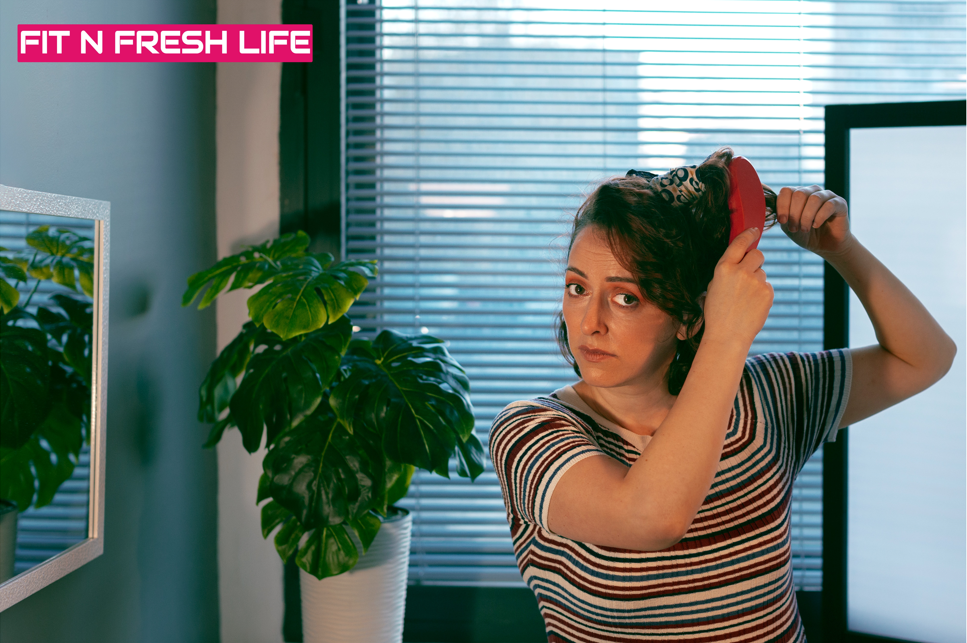
Have you ever noticed that your hair seems to behave like a completely different head of hair depending on the time of year?
In summer, it may become frizzy, oily, flat or difficult to control. Your scalp may feel sweatier, your hair may seem to need washing more often, and humidity can turn a carefully styled look into something completely different within an hour.
Then winter arrives.
Suddenly, the same hair can feel dry, rough and static-filled. Your scalp may become uncomfortable, your ends may look more brittle, and the products that worked perfectly during warmer months may no longer give you the same results.
This isn't necessarily your imagination.
Your hair is exposed to the environment every day. Changes in temperature, humidity, sunlight, wind, indoor heating or cooling, washing habits and even the way you style your hair can change how it looks and feels.
That doesn't mean you need an entirely new collection of products every season.
In many cases, the more useful approach is understanding what has changed around your hair and then adjusting your routine accordingly.
Your Hair Doesn't Actually “Know” What Season It Is
Hair itself is made primarily of keratin and, once a hair shaft has emerged from the scalp, the visible strand is not living tissue in the same way that the skin of your scalp is.
What changes throughout the year is the environment surrounding that hair.
Temperature and humidity can influence the amount of moisture interacting with the hair shaft. Sun exposure can contribute to damage. Wind can increase tangling and friction. Cold, dry air can leave hair feeling less supple. Indoor heating can also create a much drier environment.
Your scalp is different because it is living skin.
It can respond to changes in temperature, sweating, washing frequency and environmental conditions.
So when your hair seems different in July compared with January, there may be several things happening at once.
Why Humidity Can Turn Your Hair Into a Frizz Problem
Humidity is one of the biggest reasons hair behaves differently during warm, damp weather.
Hair interacts with water in the surrounding environment. When humidity is high, additional moisture can affect the structure and behavior of the hair fiber, particularly in hair that is naturally curly, wavy, porous or chemically treated.
This is why a hairstyle that looked smooth indoors can suddenly become puffier or less defined after you spend time outside on a humid day.
For people with naturally curly or wavy hair, humidity can be especially noticeable because the hair already has a tendency to change shape depending on moisture conditions.
But humidity isn't automatically “bad” for your hair.
It is simply another environmental factor.
The problem usually comes when you try to force your hair to behave exactly as it did in a completely different climate.
Summer Can Affect More Than Your Hair
During hot weather, your scalp may produce more noticeable sweat, especially if you exercise, work outdoors or spend a lot of time in warm environments.
Sweating doesn't mean your scalp is dirty. But sweat, oil, styling products and environmental debris can accumulate, making your hair feel heavier or less fresh.
This may lead you to wash your hair more frequently.
For some people, that is completely reasonable. If your scalp becomes oily or sweaty, washing when necessary can be more comfortable than trying to follow a rigid washing schedule.
However, repeatedly using harsh cleansing products or aggressively scrubbing the scalp can cause irritation and dryness.
The goal is not to wash as rarely as possible.
The goal is to find a cleansing routine that keeps your scalp comfortable without unnecessarily drying or irritating it.
Sun Exposure Can Change the Look and Feel of Hair
Summer also means more sunlight.
We usually think about ultraviolet radiation in relation to skin, but hair can also be affected by prolonged environmental exposure.
Repeated sun exposure can contribute to changes in the hair's appearance and physical condition, particularly when hair is already chemically processed, bleached or otherwise damaged.
Hair that has been lightened or chemically treated may be more vulnerable to environmental stress because some of its protective structure has already been altered.
If you spend long periods outdoors, simple protective habits can therefore make sense.
Wearing a hat can provide physical protection while also reducing direct sun exposure to the scalp. Keeping hair covered during prolonged outdoor activities can also reduce exposure to environmental stress.
This is particularly useful when you're at the beach, spending hours outdoors, hiking or working outside.
Swimming Creates Another Summer Challenge
Summer often means swimming pools, beaches and frequent water exposure.
Swimming itself isn't necessarily damaging to everyone's hair, but repeated exposure to chlorinated pool water or salt water can leave some hair feeling dry or rough.
People with bleached, colored or chemically treated hair may notice these effects more easily.
One practical strategy is to avoid leaving hair saturated with pool or salt water for hours after swimming.
Rinsing your hair with fresh water afterward can help remove some of the environmental residue.
You don't necessarily need an elaborate post-swimming routine. Even simple rinsing and gentle handling can make a difference.
Then Winter Arrives
Winter presents almost the opposite environmental challenge.
Cold outdoor air can be dry, while indoor heating can further reduce humidity. Your hair may therefore spend much of the day moving between different environments.
You walk outside into cold air.
Then you enter a heated building.
Later, you go outside again.
That repeated environmental change can make dry or already-damaged hair feel even more difficult to manage.
People may notice more static, roughness, tangling and brittle-feeling ends.
The scalp can also become uncomfortable, particularly if the skin is already prone to dryness.
Why Your Hair May Feel Drier in Winter
Hair doesn't manufacture moisture.
Its condition depends partly on its structure, the products used on it and the environment surrounding it.
Dry air can contribute to hair feeling less soft and flexible. Frequent hot showers may also affect the scalp and skin, especially if the water is very hot.
And there's another common winter habit that can make things worse:
Turning the shower temperature way up.
A very hot shower may feel wonderful when it is freezing outside, but prolonged exposure to very hot water can contribute to dryness and irritation of the skin.
If your scalp becomes dry or uncomfortable during winter, using comfortably warm rather than extremely hot water may be a simple adjustment worth trying.
Winter Static Is Not Just Annoying
That strange situation where your hair suddenly sticks to your sweater or seems to fly in every direction has a simple environmental explanation.
Static electricity tends to become more noticeable when the air is dry.
Winter conditions, combined with indoor heating, can therefore make static more obvious.
Hair that is already dry or damaged may be particularly difficult to control.
Reducing unnecessary friction can help. Rough towel drying, aggressive brushing and constant rubbing against clothing can all increase mechanical stress on the hair.
Instead, handle wet hair gently and avoid treating it as though it were impossible to damage.
Your Towel Could Be Part of the Problem
Hair is generally more vulnerable to mechanical stress when wet.
That makes the way you dry it important.
After washing, aggressively rubbing your hair with a rough towel can create friction and contribute to tangling and breakage, particularly if the hair is already fragile.
Instead of vigorously rubbing, gently squeeze or blot excess water from the hair.
You don't need an expensive specialized towel to practice gentler drying.
The bigger improvement may simply come from changing the way you handle your hair.
Cold Weather Can Also Change Your Hair-Washing Routine
Some people wash their hair less frequently in winter because their scalp doesn't become as sweaty or oily as it does during summer.
Others continue washing at the same frequency and then notice increased dryness.
There is no universal number of days that everyone should wait between washes.
Hair type, scalp condition, activity level, oil production, hairstyle and personal preference all matter.
Someone with a very oily scalp may need frequent cleansing, while someone with dry or textured hair may prefer a different schedule.
Instead of asking, “How many times should everyone wash their hair?” ask a more useful question:
“What is happening to my scalp and hair when I follow my current routine?”
If your scalp feels oily and uncomfortable, cleansing may be appropriate.
If your scalp feels persistently dry, irritated or tight, your routine may need adjustment.
Hair Type Changes the Seasonal Experience
Not everyone's hair reacts to the environment in the same way.
Straight hair may become oily or flat more quickly because oils can travel relatively easily along the hair shaft.
Curly and coily hair can have a different experience because the shape of the hair can make it harder for scalp oils to distribute along the entire strand.
Fine hair may become weighed down by products that feel perfectly comfortable on thicker hair.
Thick or coarse hair may need more conditioning to feel manageable.
Color-treated or chemically processed hair may also require additional attention because processing can alter the hair's structure.
That is why copying another person's hair routine is often disappointing.
The same product can produce completely different results on two people.
What Your Hair May Be Asking For in Summer
Summer hair care doesn't need to become a ten-step routine.
Start with the environmental problem you're actually experiencing.
If your scalp becomes sweaty and oily, focus on comfortable cleansing.
If humidity makes your hair frizzy, focus on conditioning and reducing unnecessary manipulation rather than trying to eliminate every individual hair.
If you spend significant time in direct sunlight, consider physical protection such as a hat.
If you swim frequently, rinse your hair afterward and handle it gently.
If heat styling is already leaving your hair dry, reducing unnecessary heat exposure can be more useful than adding another product afterward.
In other words, don't automatically buy something new every time your hair changes.
First identify what changed.
What Your Hair May Need in Winter
Winter care often comes down to protecting moisture and reducing unnecessary mechanical stress.
Use a conditioner appropriate for your hair type.
Avoid extremely hot water.
Be gentle when drying.
Reduce excessive heat styling if your hair is already feeling brittle.
Pay attention to your scalp rather than focusing only on the ends.
If indoor heating makes the air particularly dry, improving the humidity of your living environment may also make the air more comfortable for your skin and hair.
Again, there is no requirement to completely change your routine simply because the calendar changed.
Don't Confuse Dry Hair With a Dry Scalp
This distinction is easy to miss.
Dry hair describes the condition of the hair shaft.
Dry scalp refers to the skin on your scalp.
You can have dry hair with a relatively normal scalp.
You can also have an oily scalp while the lengths of your hair feel dry.
In fact, this combination is common enough that simply washing more aggressively may not solve the problem.
You might end up with a cleaner scalp but even drier hair lengths.
This is why products should be applied according to what they are intended to address.
Shampoo is primarily used to cleanse the scalp and hair. Conditioner is generally used to improve the feel and manageability of the hair lengths.
Understanding this difference can make your routine much more logical.
When Seasonal Changes Are Normal — and When They Aren't
Some changes in hair behavior are completely normal.
Your hair becoming a little frizzier during humid weather does not automatically indicate a problem.
Your scalp becoming somewhat oilier during hot weather does not necessarily mean your shampoo has stopped working.
And experiencing more static during dry winter weather is not a sign that your hair is unhealthy.
However, significant or persistent changes deserve more attention.
Sudden substantial hair shedding, noticeable thinning, persistent scalp pain, sores, severe itching, significant scaling or other unusual changes should not simply be blamed on the season.
There can be many possible causes, including scalp conditions, medications, hormonal changes, nutritional problems, stress and other health factors.
If you are concerned about a persistent or sudden change, a dermatologist or other qualified healthcare professional can help determine the cause.
The Biggest Mistake: Changing Everything at Once
Imagine your hair becomes dry in January.
You immediately buy a new shampoo, conditioner, mask, oil, serum and leave-in treatment.
Two weeks later, your hair feels heavy and greasy.
Now you don't know which product caused the change.
This is one reason simple routines are often easier to manage.
When your hair changes, adjust one or two things at a time.
Give your routine enough time to show you whether the change is helping.
This also makes it easier to identify products that your scalp or hair doesn't tolerate well.
A Better Way to Adjust Your Hair Routine
Instead of organizing your hair care around the calendar alone, organize it around conditions.
Ask yourself five questions:
- Is my scalp oily, dry or irritated?
- Does my hair feel soft or rough?
- Is humidity making it frizzy?
- Am I exposing it to more sun, chlorine, salt water or heat?
- Have I recently changed a product, treatment or styling habit?
Your answers can tell you much more than the season itself.
For example, someone living through a humid summer may need more help controlling frizz, while another person in the same city may mainly struggle with an oily scalp.
Both people are experiencing the same weather.
But they do not necessarily need the same routine.
Your Hair Routine Should Change With Your Life Too
Seasonal changes aren't the only reason hair behaves differently.
Your lifestyle changes as well.
You may exercise more during one part of the year. You may spend more time outdoors during vacations. You may start swimming regularly. You may change your hairstyle. You may color or bleach your hair. You may begin using heat tools more often.
All of these factors can be more important than the season itself.
This is why a good hair routine isn't a fixed list of products that you follow forever.
It is a system that responds to your hair's actual condition.
Think in Terms of Protection, Not Perfection
Healthy-looking hair doesn't mean hair that never frizzes, never gets oily, never tangles and always looks perfect.
Real hair changes.
It reacts to humidity. It gets wet. It dries. It moves against clothing. It experiences sunlight. It gets brushed. It gets washed. It grows, sheds and is replaced.
The goal of hair care is not to eliminate every natural change.
It is to avoid unnecessary damage and keep the scalp and hair in a condition that works for you.
That might mean wearing a hat during long periods of intense sun.
It might mean using conditioner more consistently during a dry winter.
It might mean washing your scalp more often during a sweaty summer.
Or it might mean doing absolutely nothing differently because your current routine is already working.
Final Thoughts
Your hair doesn't suddenly become “bad” when summer arrives, and it doesn't automatically become damaged when winter begins.
What changes is the environment around it.
Humidity can influence frizz and shape. Heat and sweat can affect how your scalp feels. Sun exposure can contribute to environmental stress. Swimming introduces chlorine or salt water. Cold, dry conditions can make hair feel rougher and increase static.
The answer isn't necessarily more products.
Often, the smarter approach is simply to understand the problem you're experiencing and make a small adjustment.
Pay attention to your scalp. Be gentle with wet hair. Protect your hair when spending long periods outdoors. Avoid unnecessary heat and chemical stress. Adjust cleansing and conditioning according to your actual needs rather than following a rigid schedule.
Most importantly, don't compare your hair's behavior with someone else's.
Your hair has its own texture, history, environment and routine.
The best seasonal hair-care strategy is therefore not about chasing perfect hair all year.
It's about noticing what changes, understanding why it may be happening, and responding without overcomplicating your routine.
Disclaimer: This article is for general educational purposes only and is not a substitute for professional medical or dermatological advice. Persistent scalp problems, sudden hair loss, significant thinning, painful lesions, severe itching or other concerning changes should be evaluated by a qualified healthcare professional.