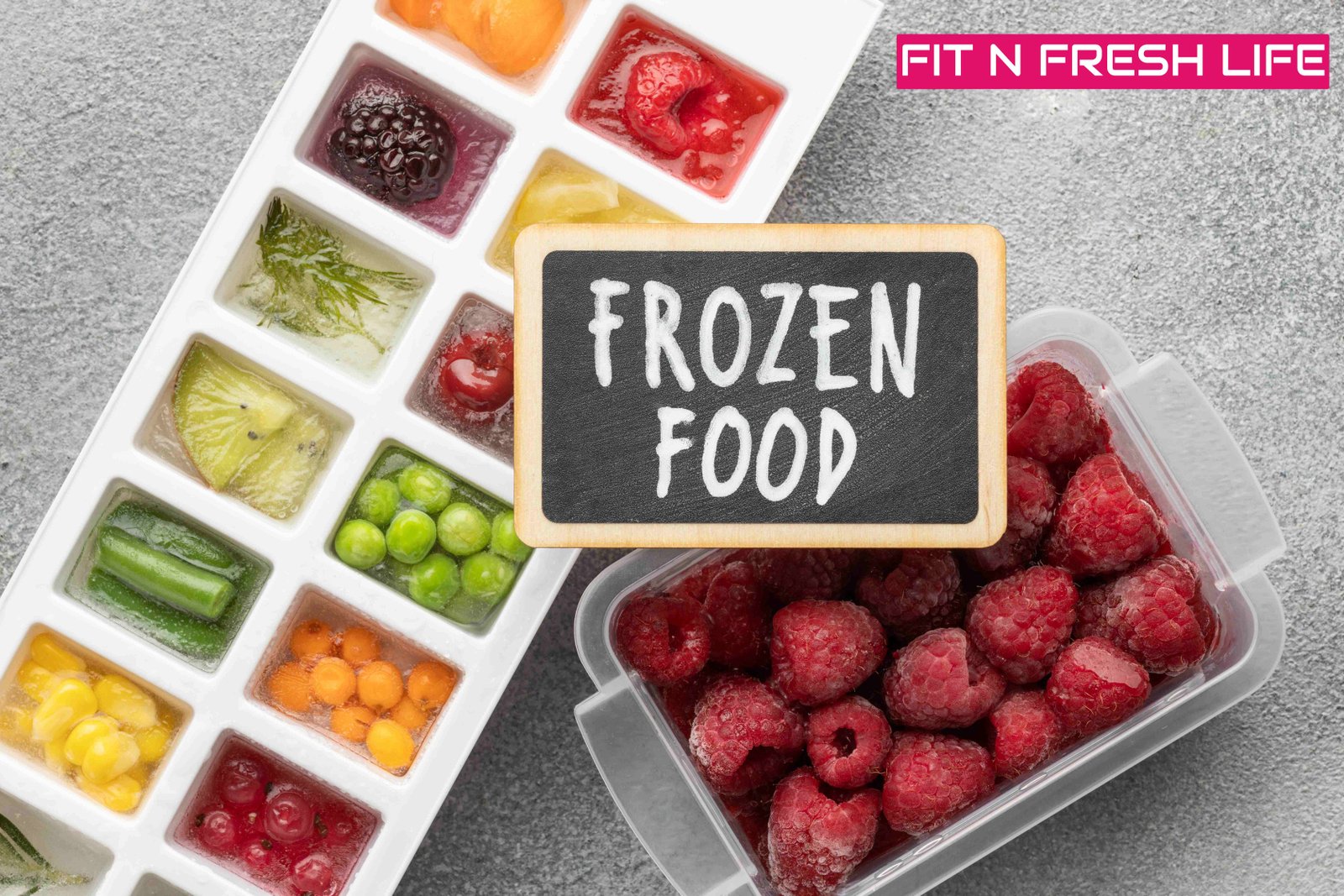
When you walk through a grocery store, it is easy to assume that fresh food is automatically the healthier choice. Fresh vegetables look better, fresh fruit feels more natural, and the freezer aisle can sometimes seem like the place for convenience foods rather than nutritious ones.
But is frozen food actually less healthy?
The answer is more interesting than simply saying yes or no. Freezing itself is not what makes a food unhealthy. In fact, frozen fruits and vegetables can retain many of the nutrients found in fresh produce, and freezing can make it easier to keep nutritious foods available for longer.
The bigger question is what exactly has been frozen. A bag of plain frozen broccoli is very different nutritionally from a frozen meal loaded with sodium, sauces, refined carbohydrates, or added fats.
So before you ignore the freezer section, here's what you should know about frozen food and nutrition.
Fresh Doesn't Always Mean More Nutritious
One of the biggest misconceptions about frozen produce is that it is automatically less nutritious than fresh produce. In reality, the difference can be much smaller than people expect.
Fresh fruits and vegetables can gradually lose certain nutrients after harvesting, especially when they spend days being transported, stored, and sitting in a refrigerator. Frozen produce is often processed and frozen relatively soon after harvesting, which helps preserve many nutrients. Harvard Health notes that frozen fruits and vegetables can have similar levels of important nutrients to fresh produce.
What Actually Happens When Food Is Frozen?
Freezing slows many of the chemical and biological processes that cause food to deteriorate. It also slows the growth of microorganisms, which is why properly frozen food can remain safe for long periods when handled correctly.
Importantly, freezing itself does not destroy nutrients in the way some people assume. The USDA explains that the freezing process does not destroy nutrients, although some foods may undergo changes before freezing, during preparation, or during cooking.
Vegetables are often briefly blanched before freezing. This means they are exposed to hot water or steam for a short period before being cooled and frozen. The process helps maintain color, texture, and quality, although some water-soluble vitamins can be affected by heat and water.
That doesn't mean frozen vegetables suddenly become nutritionally poor. They can still be an excellent way to add vegetables to your meals.
Frozen Vegetables Can Be a Smart Choice
Plain frozen vegetables are among the easiest frozen foods to include in a healthy diet.
Broccoli, spinach, peas, green beans, cauliflower, mixed vegetables, carrots, corn and other vegetables can be kept in the freezer and added to meals whenever you need them.
This is particularly useful if you regularly buy fresh vegetables but end up throwing them away because they spoil before you use them.
A bag of frozen vegetables can sit in the freezer until you need it, making it easier to keep vegetables available throughout the week. Harvard's nutrition guidance also recommends frozen vegetables as a convenient way to increase produce intake.
What About Frozen Fruit?
Frozen fruit can also be a nutritious option.
Frozen berries, mango, peaches, pineapple and other fruits can be useful for smoothies, oatmeal, yogurt bowls or simple snacks. Many frozen fruits are picked and frozen close to harvest, helping preserve their nutritional value.
The main thing to watch is the ingredient list.
Plain frozen strawberries are one thing. Strawberries covered in added sugar or included in a sweetened dessert mixture are another.
When possible, choose frozen fruit that lists the fruit itself as the main—and ideally only—ingredient.
Where Frozen Food Can Become Less Healthy
This is where the freezer aisle can become confusing.
The word "frozen" tells you how a food has been stored. It doesn't tell you whether the food is nutritious.
Some frozen products are simply frozen versions of nutritious foods. Others are highly prepared meals containing large amounts of sodium, added sugars, saturated fat or refined carbohydrates.
For example, frozen broccoli with no sauce is very different from broccoli covered in a rich cheese sauce. Frozen berries are different from a sweetened frozen dessert. Frozen fish is different from heavily breaded fish with a large amount of added salt.
So instead of asking whether frozen food is healthy, ask a better question:
What is actually in this frozen food?
Read the Ingredient List, Not Just the Front of the Package
Food packaging is designed to attract attention. Words such as "natural," "wholesome," "light" or "healthy" can sound reassuring, but they don't tell you everything about the product.
Turn the package around and check the ingredient list and nutrition information.
For frozen vegetables, look for products with little or nothing added. For frozen fruit, plain varieties are generally the simplest choice.
For frozen meals, compare sodium, added sugars, saturated fat, protein, fiber and overall portion size rather than judging the product simply because it is frozen.
Frozen Meals Are Not Automatically Bad Either
It is also easy to go too far in the opposite direction and assume that every frozen ready-made meal is unhealthy.
That's not necessarily true.
Frozen meals vary enormously. Some can provide vegetables, protein and whole grains in a convenient format, while others may be much higher in sodium and lower in fiber or vegetables.
If a frozen meal helps you avoid skipping dinner or ordering fast food when you're exhausted, it can have a practical place in your eating routine.
The goal doesn't have to be finding the "perfect" frozen meal. Instead, look for options that fit reasonably well into the rest of your diet.
Frozen Fish and Meat Can Be Convenient
Freezing isn't limited to fruits and vegetables.
Frozen fish, chicken, lean meat and other protein foods can make meal planning easier. Proper freezing causes relatively little change in the nutrient value of meat and poultry, according to the USDA.
The preparation matters more than the fact that the food was frozen.
A plain frozen salmon fillet that you bake with vegetables is very different from a heavily breaded, deep-fried frozen seafood product.
Again, the freezer isn't the problem. The ingredients and preparation are what deserve your attention.
One Advantage of Frozen Food People Often Forget
There is another benefit to frozen produce that has nothing to do with vitamins.
It can reduce food waste.
Fresh food can spoil surprisingly quickly. You may buy a large bag of spinach with good intentions, use it twice, and then discover several days later that it has wilted in the refrigerator.
Frozen vegetables and fruits can be portioned out when needed, which can make it easier to use what you buy.
Harvard's Nutrition Source notes that freezing can help extend shelf life and reduce the amount of food wasted at home.
That can make frozen produce both practical and economical.
What to Look For When Buying Frozen Food
You don't need to spend ten minutes reading every package. A few simple habits can make shopping easier.
- Choose plain frozen vegetables when possible.
- Look for frozen fruit without added sugar.
- Compare sodium levels in frozen meals.
- Check whether sauces add significant sugar, salt or saturated fat.
- Look for meals containing vegetables, protein and other nutrient-dense ingredients.
- Check serving sizes before assuming a package equals one serving.
- Choose products with shorter, recognizable ingredient lists when practical.
Frozen vs. Fresh: Which One Should You Choose?
There isn't a universal winner.
Fresh produce can be excellent, especially when it is in season and eaten soon after purchase. It can also provide textures and flavors that frozen produce doesn't always reproduce.
Frozen produce, however, can be just as useful nutritionally and may be more convenient, affordable or practical for some people. Harvard's nutrition guidance suggests that a combination of fresh and frozen produce can be a good approach.
Instead of thinking of fresh and frozen foods as competitors, think of them as two different tools.
Buy fresh when you know you'll use it quickly. Keep frozen vegetables and fruit available for busy days. That simple combination can make it easier to eat a wider variety of produce throughout the week.
Does Freezing Change the Texture?
Yes, and this is one area where fresh food often has an advantage.
Freezing creates ice crystals inside food, which can affect its structure. After thawing, some fruits and vegetables may become softer or release more water than they did when fresh.
That doesn't necessarily mean they have become less nutritious.
It simply means they may work better in certain dishes.
Frozen berries can be excellent in smoothies and oatmeal. Frozen spinach can work well in soups, curries and cooked dishes. Frozen vegetables can be roasted, steamed or added to stir-fries.
You don't always need frozen food to taste exactly like fresh food for it to be useful.
What About Freezer Burn?
If you've ever discovered white, dry-looking patches on frozen food, you've probably seen freezer burn.
Freezer burn happens when food loses moisture through exposure to air. It can affect texture, flavor and quality, but freezer burn by itself does not mean the food is unsafe to eat. The USDA and FDA both distinguish freezer burn from food safety problems.
Keeping food tightly sealed and maintaining the freezer at 0°F (-18°C) or below can help maintain quality.
Freezing Doesn't Make Food Safe Forever
Another common misunderstanding is that freezing completely eliminates food safety concerns.
Freezing stops most bacteria from growing, but it does not kill most bacteria. Once food is thawed, microorganisms can become active again.
That's why proper storage and thawing matter. The FDA recommends keeping freezers at 0°F (-18°C) and following safe handling and cooking instructions for frozen foods.
For frozen meat, poultry and seafood, follow appropriate thawing and cooking practices rather than leaving food sitting at room temperature for extended periods.
Simple Ways to Use More Frozen Foods
If you want to make your freezer work harder for you, you don't need to completely change the way you eat.
Keep a few bags of plain vegetables available for quick dinners. Add frozen berries to oatmeal or yogurt. Keep frozen fish portions for nights when you don't have time to shop. Add frozen spinach to soups, eggs or pasta dishes.
You can also freeze some of your own foods.
Extra cooked beans, soups, stews, certain cooked grains and many prepared meals can be frozen for later use when stored properly. Harvard's meal-preparation guidance includes several cooked foods that freeze well.
The idea is simple: make nutritious food easier to access when life gets busy.
A Simple Freezer Shopping List
If you're not sure where to start, consider keeping a few basics in your freezer:
- Plain frozen broccoli or mixed vegetables
- Frozen spinach
- Frozen berries
- Frozen mango or other unsweetened fruit
- Frozen fish fillets
- Frozen chicken or other simple protein options
- Frozen beans or cooked legumes
- Homemade soups or stews stored in portions
These foods can become building blocks for quick meals rather than something you only use when you're out of fresh food.
The Bottom Line
Frozen food isn't automatically less healthy than fresh food.
In many cases, frozen fruits and vegetables can provide a convenient and nutritious alternative to fresh produce, particularly when fresh food has been stored for a long time or is likely to go to waste.
The important distinction is between frozen food and highly prepared frozen products. A plain bag of frozen vegetables and a frozen dinner loaded with sodium and added fats shouldn't be judged by the same standard simply because both are found in the freezer aisle.
So the next time you walk past the frozen section, don't automatically assume that fresh is always better.
Check the ingredients. Look at the nutrition information. Choose foods that fit your overall eating pattern. And most importantly, use the freezer as a tool that can make healthy eating easier rather than treating it as something to avoid.