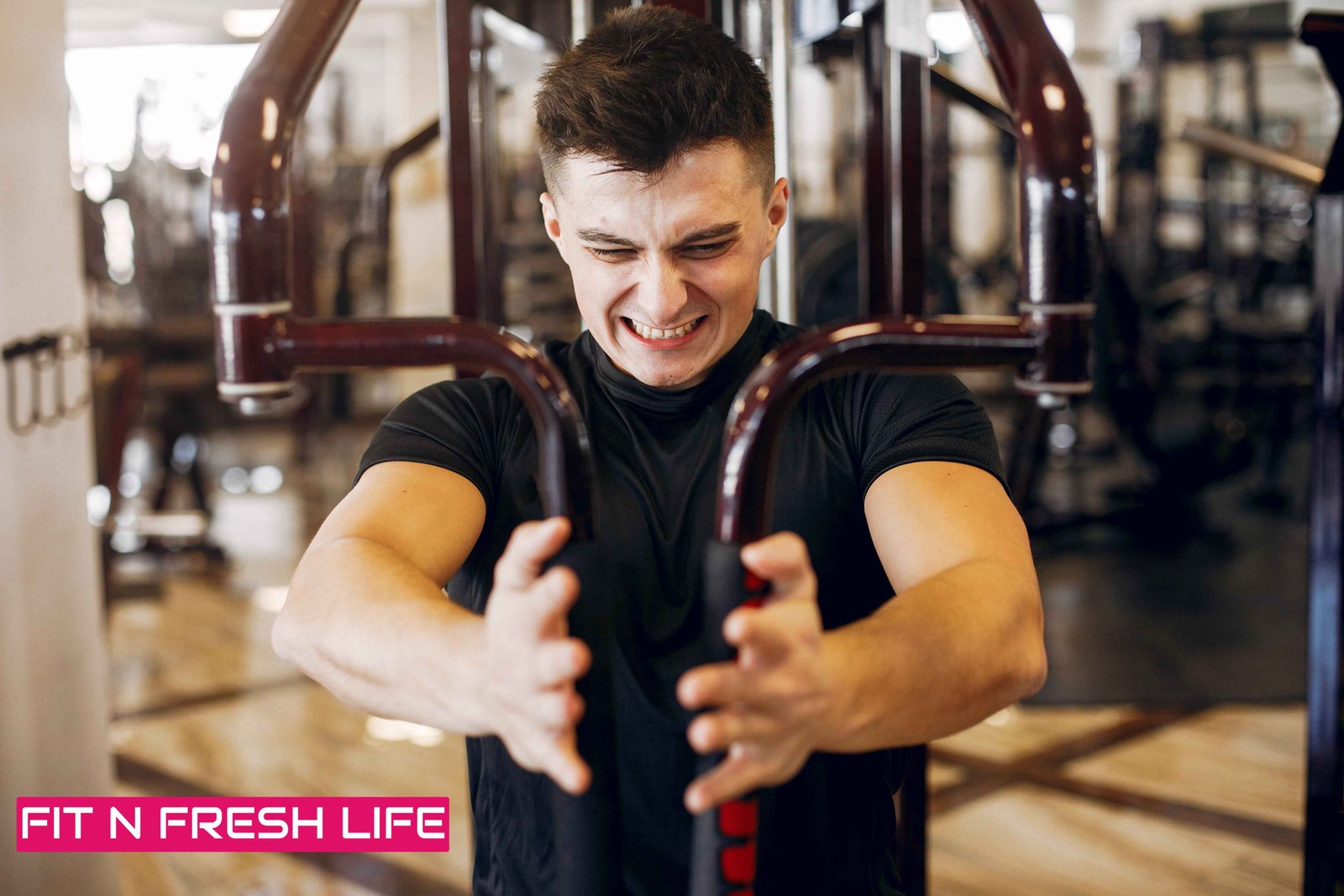
Starting exercise sounds simple until you actually try to figure out where to begin.
Should you join a gym? Start running? Buy weights? Follow a workout video? Exercise every day? And what if you are completely out of shape?
If you have not exercised in a long time, the biggest mistake you can make is thinking you need to suddenly become a fitness person overnight. You don't.
A good beginner routine should feel manageable enough that you can repeat it next week. The goal at the beginning is not to destroy yourself with a difficult workout. It is to teach your body to move regularly and build the habit gradually.
Whether you want to become stronger, improve your fitness, have more energy, or simply become more active, you can start from wherever you are right now.
First Rule: Don't Try to Do Everything at Once
When people decide to get fit, they often make a huge plan. They promise themselves they will wake up early, run every morning, lift weights five days a week, completely change their diet, and never miss a workout.
It sounds motivating on day one.
It can become exhausting by day ten.
Instead, start with something you can realistically fit into your normal life. The CDC recommends starting slowly and gradually increasing the amount or difficulty of physical activity as your body adapts.
Start With Movement You Actually Enjoy
Your first workout does not have to happen in a gym.
Walking is an excellent starting point for many beginners. You can walk outside, around your neighborhood, in a park, on a treadmill, or even around a shopping center. If walking feels comfortable, you can gradually make your walks longer or pick up the pace.
Other options include cycling, swimming, dancing, beginner fitness classes, hiking, recreational sports, or simple home workouts.
The best exercise for a beginner is often the activity they are willing to do consistently.
If you hate running, you don't have to run. If you don't like crowded gyms, you don't need a gym membership. Fitness has many forms.
Your First Week Should Feel Almost Too Easy
This may sound strange, but your first week should not be about proving how tough you are.
If you have been inactive for months or years, even a relatively short workout can feel challenging. That is okay.
Try starting with something like a 10- to 20-minute walk or an easy beginner workout a few times during the week. Pay attention to how your body responds.
If you feel comfortable, you can gradually add a few more minutes or another activity later.
There is no prize for making your first workout so difficult that you cannot comfortably move the next day.
Don't Worry About the Perfect Workout
Beginners sometimes spend more time researching workouts than actually exercising.
They compare different programs, watch fitness videos, read about different training methods, and try to figure out whether they should do cardio before strength training.
Some of that information can be useful, but you don't need to understand every part of fitness before you begin.
At the start, focus on three basic things:
- Move your body regularly.
- Choose activities appropriate for your current fitness level.
- Increase the amount gradually as you become more comfortable.
You can learn more about exercise as you go.
Build Around Three Types of Movement
A balanced fitness routine does not need to be complicated. Over time, try to include a combination of aerobic activity, muscle-strengthening exercise, and everyday movement.
Cardio or aerobic activity includes activities that make your breathing and heart rate increase, such as brisk walking, cycling, swimming, dancing, or jogging.
Strength training involves making your muscles work against resistance. This can include bodyweight exercises, resistance bands, machines, or weights.
Everyday movement includes things such as walking around during the day, taking stairs, doing household tasks, gardening, or simply spending less time sitting.
Adults are generally advised to work toward at least 150 minutes of moderate-intensity aerobic activity each week and muscle-strengthening activity on at least two days. But if you are starting from a low activity level, you do not have to reach that target immediately. Some activity is better than none, and you can build toward it gradually.
What Should a Beginner Strength Workout Look Like?
You don't need to start with heavy weights.
A simple beginner session can use your own body weight and focus on basic movements.
For example, you could practice:
- Chair squats or bodyweight squats
- Wall push-ups
- Glute bridges
- Standing calf raises
- Bird dogs
- Light resistance-band rows
The purpose is to learn how the movements feel and develop basic strength and control.
Start with a small number of repetitions and take enough rest between exercises. As the movements become easier, you can gradually increase repetitions, sets, resistance, or difficulty.
Current CDC guidance recommends muscle-strengthening activities at least two days per week for adults, working the major muscle groups.
Learn the Difference Between Challenging and Too Hard
Exercise is supposed to require effort. But there is a difference between feeling challenged and pushing yourself beyond what your body can currently handle.
During moderate-intensity aerobic activity, you will generally breathe harder and your heart rate will increase, but you should still be able to talk. The CDC describes the talk test as a practical way to judge moderate intensity: you can talk, but you cannot comfortably sing.
For beginners, this can be more useful than obsessing over a specific heart-rate number.
If an activity feels far beyond your current ability, reduce the pace, shorten the session, or choose an easier version.
Don't Judge Your Fitness by Someone Else's Workout
One of the fastest ways to become discouraged is comparing your first week with somebody else's fifth year.
You might see someone running several miles, lifting heavy weights, doing difficult yoga poses, or completing intense workout classes online.
That person has a different body, different experience, and different starting point.
Your goal is not to match them.
Your goal is to become a little more capable than you were before.
Beginner Mistakes Worth Avoiding
- Starting too intensely: You don't need an extreme workout to make progress.
- Exercising every day immediately: Your body needs time to adapt.
- Copying advanced workouts: An exercise being popular doesn't mean it is right for your current level.
- Ignoring technique: Learn basic movements before adding more resistance or difficulty.
- Expecting instant results: Fitness develops through repeated effort.
- Thinking one missed workout ruins everything: Missing a session is normal. Simply return to your routine.
- Making exercise punishment: Physical activity should become part of your lifestyle, not something you dread.
A Simple Beginner Week
If you have no idea where to start, here's one example of a gentle first week.
Monday: 15–20 minute comfortable walk.
Tuesday: Rest or normal everyday movement.
Wednesday: 15-minute beginner strength session using simple bodyweight exercises.
Thursday: Easy walk for 15–20 minutes.
Friday: Rest.
Saturday: 20–30 minute walk, cycling session, swimming session, or another activity you enjoy.
Sunday: Rest or gentle movement.
This is only an example, not a requirement. Your starting point may need to be shorter or longer depending on your current fitness, abilities, and health.
The important part is that the routine feels realistic enough to repeat.
What If You Have Almost No Time?
You don't need to block out a huge part of your day to become more active.
Try breaking activity into smaller pieces.
A 10-minute walk in the morning, another short walk during lunch, and a few minutes of movement in the evening can add up.
You can also make ordinary parts of your day more active. Walk while talking on the phone, use stairs when appropriate, take short movement breaks, or walk before or after dinner.
The CDC specifically recommends finding activity that fits your schedule and notes that physical activity can be broken into smaller periods throughout the week.
Make Exercise Easier to Repeat
The hardest part of starting exercise is often not the workout itself. It is making the workout happen consistently.
Choose a specific time when you are most likely to have the energy and availability to exercise.
Put your walking shoes somewhere visible. Keep your workout clothes ready. Add exercise to your calendar. If you enjoy exercising with another person, make plans together.
These small decisions remove some of the thinking required before every workout.
And don't underestimate enjoyment. If you genuinely like walking outside, dancing, swimming, cycling, or playing a sport, use that to your advantage.
When Should You Increase the Difficulty?
There is no universal timetable.
If the same workout begins to feel noticeably easier and you are recovering comfortably, you may be ready to increase the duration, frequency, resistance, or difficulty slightly.
Don't increase everything at once.
For example, if you currently walk for 15 minutes, you might increase the walk to 20 minutes rather than suddenly turning it into a 45-minute power walk.
Gradual progression gives your muscles, joints, and cardiovascular system time to adapt. Federal physical activity guidance recommends increasing activity gradually rather than making a sudden large jump from your normal activity level.
You Don't Have to Wait for Motivation
Many people believe they need to feel motivated before they exercise.
In reality, motivation can change from day to day.
Instead of waiting until you feel excited about working out, make the first step extremely small.
Tell yourself you will walk for ten minutes. Put on your shoes. Start moving.
Sometimes the hardest part is simply getting started.
And on days when you genuinely need rest, taking a rest day is not failure. Learning to listen to your body is also part of building a sustainable routine.
What About Soreness?
If you are new to exercise, some muscle soreness can happen after unfamiliar activity. That doesn't mean you need to chase soreness after every workout.
More soreness does not automatically mean a better workout.
If something causes sharp pain, significant swelling, unusual weakness, dizziness, chest pain, or another concerning symptom, stop the activity and seek appropriate medical advice.
Your goal should be to become stronger and more capable over time, not to see how much discomfort you can tolerate.
When You Should Talk to a Healthcare Professional First
Many people can safely begin with moderate physical activity, but exercise plans should be adjusted for individual circumstances.
If you have a chronic health condition, significant physical limitations, or other concerns about starting exercise, speak with a healthcare professional about what type and amount of activity is appropriate for you.
The CDC specifically recommends discussing physical activity with a healthcare provider when certain health conditions are present and before moving into vigorous exercise in some circumstances.
The Biggest Beginner Goal Isn't Weight Loss
Weight changes may be one reason people begin exercising, but it shouldn't be the only way you judge your progress.
You may notice other changes first.
You might walk farther without getting as tired. Stairs may feel easier. You may become more comfortable carrying groceries. Your strength may improve. You may feel more confident moving your body.
Regular physical activity is also associated with benefits such as better sleep, reduced anxiety, healthier blood pressure, improved cardiovascular health, stronger bones, and better balance.
Those improvements are worth paying attention to even when the number on the scale has not changed.
Your Beginner Checklist
- Choose an activity you don't hate.
- Start with a manageable amount.
- Keep your first workouts simple.
- Give your body time to adapt.
- Include both aerobic movement and strength training over time.
- Increase your workload gradually.
- Don't compare your beginning with someone else's progress.
- Schedule exercise instead of relying completely on motivation.
- Rest when you need to.
- Focus on consistency rather than perfection.
Final Thoughts
You don't need to be fit before you start exercising.
That's the whole point of starting.
You don't need an expensive gym membership, complicated training program, or perfect schedule either. Start with movement that feels appropriate for your current ability, keep the sessions manageable, and slowly build from there.
Your first workout might be nothing more than a short walk around the block.
That's still a beginning.
Over time, those small sessions can turn into a regular routine. And once exercise becomes something you simply do rather than something you constantly have to convince yourself to do, staying active becomes much easier.
Fitness Disclaimer: This article is for general informational purposes only and is not a substitute for personalized medical or fitness advice. Exercise needs vary from person to person. If you have a health condition, physical limitation, are unsure whether exercise is appropriate for you, or experience concerning symptoms during activity, speak with a qualified healthcare professional before continuing.