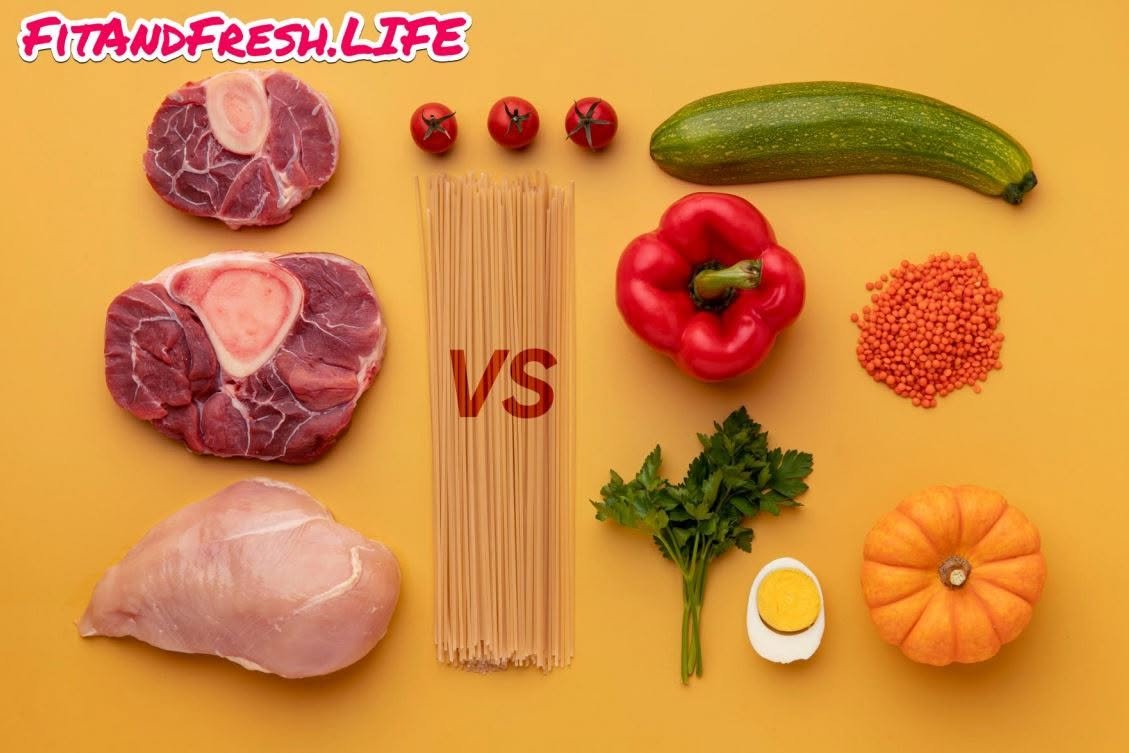
Protein is an important part of a balanced diet. Your body uses it to build and repair tissues, support muscles, and carry out many everyday functions. But when it comes to choosing protein, there is often a debate: is plant-based protein healthier than animal protein? The honest answer is that neither option is automatically better for everyone. Both can have a place in a healthy diet, depending on the foods you choose and your individual needs.
1. Why Does Your Body Need Protein?
Protein is made up of amino acids, which your body uses for many important functions. It plays a role in maintaining muscles, supporting normal growth and repair, and helping your body make important substances such as enzymes and hormones.
Protein needs can vary depending on factors such as age, body size, activity level, and overall health. This is one reason why there is no single protein plan that works perfectly for everyone.
2. What Are Plant-Based Protein Sources?
Plant-based protein comes from foods such as beans, lentils, chickpeas, peas, tofu, tempeh, nuts, seeds, and some whole grains.
One advantage of many plant protein foods is that they can also provide other nutrients, including fiber, vitamins, minerals, and naturally occurring plant compounds.
Popular plant-based protein foods include:
- Lentils
- Chickpeas
- Beans
- Tofu
- Tempeh
- Peanuts and peanut butter
- Almonds and other nuts
- Pumpkin, chia, and sunflower seeds
- Quinoa
3. What Are Animal Protein Sources?
Animal-based protein comes from foods such as meat, fish, eggs, dairy products, and poultry. These foods can provide protein along with other nutrients such as vitamin B12, iron, calcium, or omega-3 fats, depending on the food.
Common animal protein sources include:
- Eggs
- Chicken
- Fish
- Turkey
- Milk
- Yogurt
- Cheese
- Lean cuts of meat
The nutritional value can vary significantly. For example, grilled fish and highly processed meat are both animal-based foods, but they are not nutritionally identical choices.
4. The Biggest Difference Between Plant and Animal Protein
One major difference is the overall package that comes with the protein. Many plant foods provide protein together with fiber, while animal foods may provide nutrients such as vitamin B12 or highly absorbable forms of certain minerals.
Another difference is amino acid composition. Some plant proteins contain lower amounts of certain essential amino acids, while many animal proteins naturally contain all essential amino acids in substantial amounts. However, eating a variety of plant protein foods throughout the day can help provide the amino acids your body needs.
5. Potential Benefits of Plant-Based Protein
- Many sources are naturally high in fiber.
- They can add variety to meals.
- Many plant foods provide vitamins, minerals, and other beneficial nutrients.
- They can be useful for people following vegetarian or vegan diets.
- They can be affordable options, especially foods like beans and lentils.
A plant-focused diet does not have to mean giving up all animal foods. Some people simply choose to include more beans, lentils, vegetables, and whole foods alongside other protein sources.
6. Potential Benefits of Animal Protein
- Many sources provide all essential amino acids.
- Some options are convenient and easy to prepare.
- Foods such as fish, eggs, and dairy can provide additional important nutrients.
- They can make it easier for some people to meet their protein needs.
Choosing the type of animal protein matters. Less processed options and balanced portions can be part of an overall healthy eating pattern.
7. So, Which One Is Healthier?
There isn't one simple winner. A person's overall eating pattern usually matters more than choosing one category of protein and avoiding the other completely.
For many people, eating a variety of protein sources can be a practical approach. You might have eggs for breakfast, lentils for lunch, yogurt as a snack, and fish or tofu for dinner. This can provide variety without making your diet unnecessarily restrictive.
How to Choose the Right Protein for You
Your choice may depend on several factors:
- Your personal food preferences
- Your budget
- Your activity level
- Your cultural or religious dietary choices
- Any food allergies or intolerances
- Your overall health needs
The best choice is usually one that fits your lifestyle and allows you to maintain a varied, balanced diet.
Easy Ways to Include More Protein in Your Meals
- Add beans or lentils to soups, curries, and salads.
- Include eggs with breakfast if they suit your diet.
- Try yogurt with fruit and nuts as a snack.
- Use tofu in stir-fries or grain bowls.
- Add fish, poultry, or legumes to balanced meals.
- Mix different protein sources throughout the week for variety.
Final Thoughts
Plant-based and animal protein can both have a place in a healthy diet. Instead of asking which one is always better, it may be more useful to look at the quality and variety of the foods you eat overall. Choose protein sources you enjoy, include a variety of nutritious foods, and create an eating pattern that works for your lifestyle.
Note: This article provides general nutrition information and is not a substitute for personalized dietary advice. If you have specific health conditions or dietary requirements, consider speaking with a qualified healthcare professional or registered dietitian.