For years, most hair-care routines have focused on one thing: the hair itself.
We buy shampoos for shine, conditioners for softness, masks for damage, oils for frizz and styling products to make everything look better. But there is one part of the picture that often gets much less attention — the scalp.
That is starting to change.
Scalp care has become one of the noticeable beauty conversations of 2026, with more people treating the scalp with the same kind of attention they give to facial skin. The idea is simple: before worrying about how your hair looks, it makes sense to pay attention to the skin where your hair grows.
That doesn't mean you suddenly need a bathroom shelf full of scalp serums and scrubs. In fact, a good scalp routine can be surprisingly simple.
So, Is Your Scalp Really That Important?
Absolutely. Your scalp is skin, and just like the skin on the rest of your body, it can become dry, oily, irritated or uncomfortable.
It also contains hair follicles and oil-producing glands, which means the environment around your roots can affect how your hair feels and behaves.
When people notice flakes, excessive oil, itchiness or product buildup, they often focus immediately on the hair. But sometimes the better place to start is the scalp itself.
This is one reason the beauty industry has increasingly moved toward what is often called “skinification” of haircare — bringing skincare-style thinking into hair and scalp routines.
What Does “Scalp Care” Actually Mean?
Scalp care doesn't have to mean buying another expensive product.
At its most basic level, it means keeping the scalp appropriately clean, avoiding unnecessary irritation, paying attention to dryness or oiliness, and choosing products that suit your individual needs.
For some people, that may be nothing more complicated than using the right shampoo regularly. For others, a dermatologist-recommended treatment may be necessary for a specific scalp condition.
The important thing is not to confuse a beauty trend with a medical treatment.
Why Scalp Care Is Suddenly Trending
There is a noticeable change happening in how people think about hair.
Instead of only asking, “How can I make my hair look better?” people are increasingly asking, “How can I take better care of the scalp underneath it?”
That shift has led to a growing number of scalp-focused products, including scalp serums, exfoliating treatments, masks and specialized shampoos. Beauty retailers and industry analysts are also highlighting scalp health as an important area of haircare innovation in 2026.
There is also a wider movement toward treating beauty as part of overall self-care. A scalp massage, for example, can feel relaxing even if you aren't using a special product.
But there's no need to buy into every new trend. The basics still matter most.
Your Scalp Can Be Dry Even If Your Hair Is Oily
This is something that can be confusing.
You might have oily roots but still experience a dry or uncomfortable scalp. Or your hair lengths may feel dry while your scalp becomes oily quickly.
Hair and scalp aren't exactly the same thing, so it's useful to think about them separately.
Your scalp produces natural oils, while the lengths of your hair can become dry from washing, heat styling, coloring, chemical treatments and environmental exposure.
That is why simply using a very heavy product all over your head isn't always the answer.
Don't Over-Scrub Your Scalp
Once scalp care became popular, scalp scrubs and exfoliating products naturally followed.
Exfoliation can sound appealing because it promises to remove buildup and leave the scalp feeling fresh. But more exfoliation isn't automatically better.
Your scalp doesn't need to be aggressively scrubbed every time you wash your hair. Excessive physical scrubbing or harsh products can leave the skin irritated.
If you want to try a scalp exfoliating product, follow its directions and pay attention to how your scalp reacts. If something causes burning, persistent redness or irritation, stop using it.
A healthy routine should leave your scalp feeling comfortable rather than constantly “deep cleaned.”
How Often Should You Wash Your Scalp?
There isn't one perfect washing schedule for everyone.
Someone with an oily scalp may need to wash more frequently than someone with a dry scalp. Hair texture, styling habits, exercise, climate and the products you use can also influence how often washing feels necessary.
Instead of following a rigid rule you found online, pay attention to your own scalp.
If your roots become greasy quickly or you have a lot of product buildup, you may need more frequent cleansing. If your scalp feels dry and uncomfortable after every wash, your routine may need adjusting.
The goal is a comfortable, clean scalp without unnecessarily irritating the skin.
A Simple Scalp-Care Routine
You can start with just a few basics:
- Cleanse: Use a shampoo suited to your scalp and hair needs.
- Massage gently: Use your fingertips rather than aggressively scratching with your nails.
- Condition the lengths: Apply conditioner mainly where your hair needs moisture.
- Avoid unnecessary irritation: Be careful with products that consistently cause burning or itching.
- Observe changes: Pay attention to persistent flakes, redness, soreness or unusual shedding.
You can add other products later if you actually need them.
What About Scalp Serums?
Scalp serums are one of the products gaining attention as part of the skinification trend.
They can contain a variety of ingredients designed for different purposes, such as hydration, oil control or improving the feel and condition of the scalp. But a serum isn't automatically necessary just because it's marketed as a scalp product.
Think about what you're trying to address first.
If your scalp is perfectly comfortable and your hair is doing fine, adding five new products may accomplish very little. If you're dealing with a specific problem, choosing a targeted product may make more sense.
And when you're dealing with significant hair loss or a persistent scalp problem, it's better to get professional advice than to keep buying products and hoping one eventually works.
Can Scalp Massage Help?
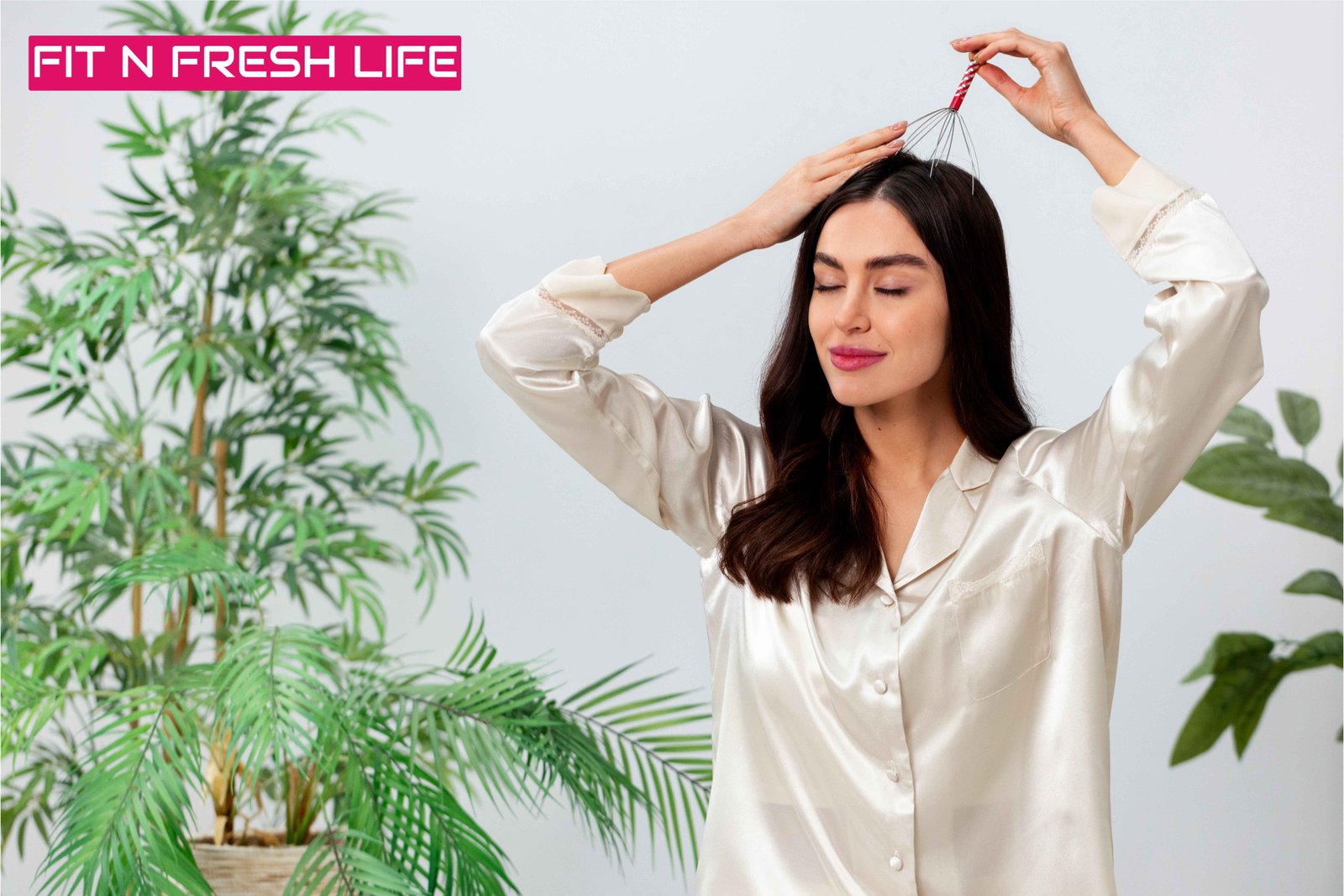
Scalp massage has become popular in both beauty and wellness routines.
Using your fingertips to gently massage the scalp can be a relaxing addition to washing your hair or applying a suitable product. It can also make your routine feel less rushed.
Just don't confuse a pleasant scalp massage with a guaranteed hair-growth treatment.
There are many claims online about oils, massage techniques and special routines dramatically increasing hair growth. The evidence isn't equally strong for all of these claims.
If you enjoy scalp massage, keep it gentle and treat it as part of your self-care routine rather than expecting overnight changes.
Be Careful With DIY Scalp Treatments
The internet is full of homemade hair and scalp recipes.
Some use ingredients such as oils, lemon juice, essential oils, baking soda or other kitchen products. The problem is that something being natural doesn't automatically mean it is suitable for your scalp.
Lemon juice and other acidic ingredients can be irritating, while concentrated essential oils can cause problems for some people if they're used incorrectly.
If you're experimenting with a new ingredient, remember that the scalp is still skin. Treat it with the same caution you would use with a homemade face treatment.
What If You Have Dandruff?
Dandruff is common, but it isn't simply a sign that someone has a “dirty scalp.” It can be associated with several factors, including changes in the scalp environment and certain skin conditions.
If you regularly have flakes, itching or irritation, an appropriate anti-dandruff shampoo may be more useful than adding oils or scrubbing harder.
If the problem doesn't improve, becomes severe or is accompanied by significant redness, soreness or other changes, consider seeing a dermatologist.
A persistent scalp problem deserves more than another viral TikTok remedy.
Hair Loss Is a Different Conversation
This is particularly important because scalp-care content often overlaps with hair-growth content.
Seeing a scalp serum advertised for “healthy hair” doesn't mean it can solve every type of hair loss.
Hair shedding can happen for many different reasons. Genetics, hormonal changes, illness, stress, nutritional problems, medications and other factors can all play a role.
Some temporary shedding can also occur after significant changes in the body. The cause matters when deciding what treatment makes sense.
If you're experiencing sudden, excessive or persistent hair loss, don't rely entirely on beauty products. A healthcare professional or dermatologist can help determine what may be happening.
Think About Your Hair Tools Too
Scalp care isn't only about shampoos and serums.
Think about how you handle your hair every day.
Very hot water, excessive heat styling, tight hairstyles and rough brushing can all contribute to discomfort or hair damage. You don't necessarily need to stop using your hair dryer or styling tools completely, but moderation and sensible technique can help.
Try not to constantly pull the hair tight, and avoid aggressively scratching the scalp when washing.
Sometimes improving your routine means doing less rather than adding another product.
Your Pillowcase and Hair Hygiene
You don't need to become obsessed with keeping your pillowcase perfectly clean, but regular washing is a sensible part of general hygiene.
If you use heavy hair products, oils or styling products before bed, some of that can transfer to your pillowcase. Keeping bedding clean is a simple habit that requires much less effort than a complicated scalp routine.
The same applies to brushes and combs. Remove accumulated hair and clean them regularly according to their material and design.
Don't Forget What's Happening Inside Your Body
Hair and scalp health aren't completely separate from the rest of your lifestyle.
Your overall diet, sleep, stress levels and general health can influence how you feel and how your body functions. That's why buying increasingly expensive hair products isn't always the best answer when something has changed.
A balanced diet that provides enough overall nutrition, regular movement, adequate sleep and sensible hair care are much more useful foundations.
And if something has changed suddenly, look beyond the bathroom shelf.
When Less Is Actually Better
The biggest lesson from the scalp-care trend may be that you don't need a complicated routine.
We've become accustomed to multi-step skincare routines, so it's easy to assume haircare should work the same way. But adding more products can also mean more opportunities for irritation, buildup and confusion about what is actually helping.
Start with the basics.
Choose a suitable cleanser. Keep your scalp comfortable. Avoid harsh treatment. Condition your hair appropriately. Then see whether you actually need anything else.
Signs Your Scalp May Need More Attention
Pay attention if you notice changes that don't seem normal for you.
- Persistent itching
- Recurring or heavy flaking
- Redness or soreness
- Unusual oiliness or dryness
- Crusting or irritation
- Sudden or significant changes in hair shedding
- Persistent scalp discomfort
These signs don't automatically mean something serious is happening, but persistent problems are worth discussing with a qualified professional rather than repeatedly changing products.
How to Build a Routine Without Spending a Fortune
You don't need a luxury scalp serum to start taking better care of your scalp.
Begin with a shampoo that works for your scalp type and a conditioner suitable for your hair. Keep your routine gentle, wash when your scalp needs it, and avoid products that repeatedly cause irritation.
If you later decide you need a specific treatment, introduce one product at a time. That makes it much easier to figure out what is actually helping.
It also saves money. There is little point in buying six products at once and discovering that you only needed one.
Quick Scalp-Care Checklist
- Know whether your scalp tends to be oily, dry or easily irritated.
- Choose shampoo based on your scalp's needs rather than marketing alone.
- Massage gently instead of scratching aggressively.
- Don't overuse scrubs or exfoliating treatments.
- Keep brushes, combs and bedding reasonably clean.
- Limit excessive heat and very tight hairstyles.
- Be cautious with DIY ingredients and concentrated essential oils.
- Don't assume a cosmetic product can treat a medical hair-loss problem.
- Seek professional advice for persistent or unusual scalp changes.
The Bigger Beauty Trend: Taking Care of the Foundation
There is something refreshing about the growing interest in scalp care.
For a long time, haircare was heavily focused on appearance. Shine, volume, smoothness and styling dominated the conversation. Now there is more interest in what happens underneath the finished hairstyle.
That doesn't mean beauty products are disappearing. People still want their hair to look good. The difference is that more consumers are interested in combining appearance with long-term care.
That is likely one reason scalp-focused products and routines continue to attract attention in 2026.
Final Thoughts
Your scalp probably doesn't need a complicated 10-step routine.
What it does need is a little attention.
Pay attention to how your scalp feels. Keep it appropriately clean. Avoid constantly irritating it. Choose products based on your actual needs instead of buying everything that's trending, and don't ignore persistent changes.
Most importantly, remember that healthy-looking hair isn't created by one miracle product. Your hair routine, scalp care, lifestyle and overall health all play a part.
So the next time you're standing in front of the mirror wondering what your hair needs, look a little closer at the roots. Your scalp may deserve some attention too.